Immigrant Visa: The Complete 2026 Guide to Eligibility, Application Process, Documents, and Approval
Moving to another country permanently is a life-changing decision. Whether you want to reunite with your family, accept a job opportunity, or build a better future, understanding the immigrant visa process is essential. Every year, millions of people apply for permanent residence through different immigration categories, but many applicants face delays because they are unfamiliar with the requirements and procedures.
This comprehensive guide explains everything you need to know about an immigrant visa, including eligibility, application steps, required documents, interview preparation, processing times, common mistakes, and practical tips to improve your chances of approval.
If you are planning to immigrate to the United States or another country offering permanent immigration pathways, this article will help you understand the journey from start to finish.
What Is an Immigrant Visa?
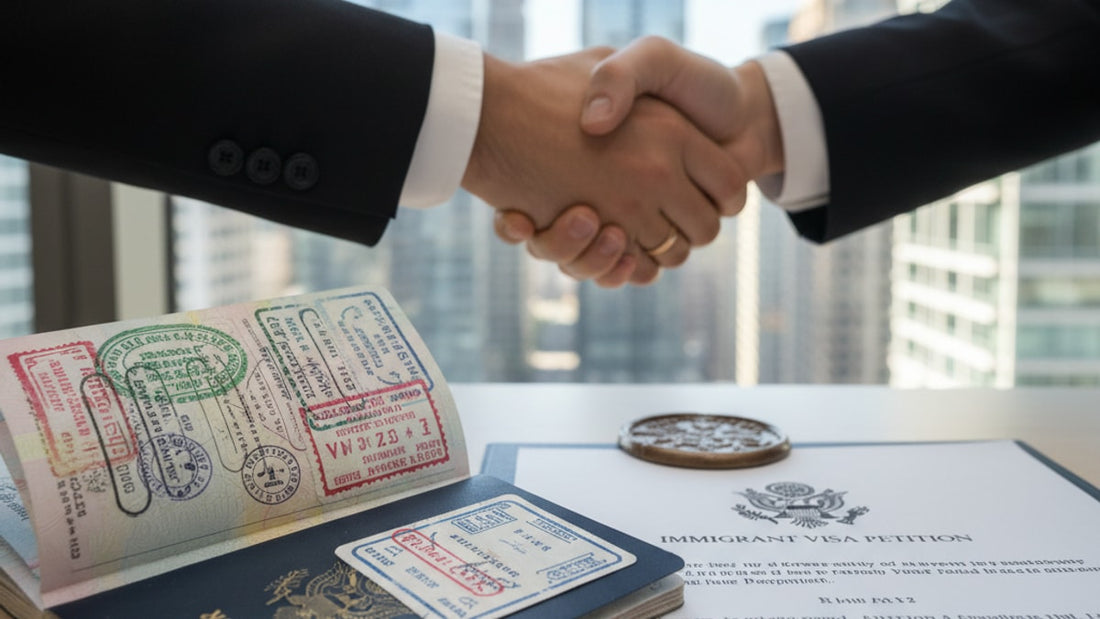
An immigrant visa is a visa issued to individuals who intend to live permanently in another country. Unlike temporary visas, which allow visitors to stay for a limited period, an immigrant visa provides a pathway to lawful permanent residence.
For example, in the United States, individuals who receive an immigrant visa can travel to the country and become lawful permanent residents after admission. Many immigrants later become eligible to apply for citizenship if they meet the legal requirements.
The purpose of an immigrant visa is to allow qualified applicants to establish permanent residence through family sponsorship, employment opportunities, humanitarian programs, or investment-based immigration.
Why Is an Immigrant Visa Important?
Obtaining an immigrant visa offers several long-term benefits, including:
- Permanent residence
- Legal authorization to live and work
- Access to education
- Ability to sponsor eligible family members
- Greater financial opportunities
- Protection under immigration laws
- Potential pathway to citizenship
Because immigration laws frequently change, understanding the latest regulations is essential before submitting an application.
Types of Immigrant Visas
Different immigration categories exist depending on your situation.
Family-Based Immigration
Family sponsorship is one of the most common ways to obtain an immigrant visa.
Eligible sponsors may include:
- U.S. citizens
- Lawful permanent residents
Common qualifying relatives include:
- Spouse
- Parents
- Children
- Brothers and sisters (in eligible categories)
Family immigration often requires filing petitions and waiting for visa availability.
Employment-Based Immigration
Employment immigration allows qualified workers to receive an immigrant visa through employer sponsorship.
Employment categories may include:
- Skilled workers
- Professionals
- Executives
- Researchers
- Healthcare professionals
- Individuals with extraordinary ability
Some employment categories require labor certification before filing immigration petitions.
Diversity Visa Program
Certain countries participate in a diversity immigration program that provides permanent immigration opportunities through a random selection process.
Applicants must meet education or work experience requirements.
Special Immigrant Categories
Some individuals qualify under special immigration programs, including:
- Religious workers
- Special immigrant juveniles
- Certain government employees
- International organization employees
Each category has unique eligibility requirements.
Who Is Eligible for an Immigrant Visa?
Eligibility depends on the immigration category.
Generally, applicants must:
- Have an approved petition (when required)
- Meet medical examination requirements
- Pass background checks
- Provide truthful information
- Demonstrate eligibility under immigration law
- Submit all supporting documents
Meeting these requirements does not automatically guarantee approval, as immigration officers review every application individually.
Step-by-Step Immigrant Visa Process
Understanding the complete immigrant visa process helps applicants prepare properly.
Step 1: Determine Eligibility
The first step is identifying the correct immigration category.
Questions to consider include:
- Are you sponsored by a family member?
- Do you have a job offer?
- Are you eligible through another immigration program?
Choosing the wrong category may delay your application.
Step 2: File the Petition
Many applicants require a sponsor to submit an immigration petition.
The petition establishes the legal relationship between the sponsor and applicant.
Government authorities review the petition before moving to the next stage.
Step 3: Wait for Processing
Processing times vary depending on:
- Visa category
- Country of chargeability
- Government workload
- Security screening
- Availability of visa numbers
Some applicants receive decisions within months, while others wait several years.
Step 4: Complete Required Forms
Applicants complete various immigration forms depending on their situation.
These forms request information such as:
- Personal details
- Address history
- Employment history
- Family information
- Travel history
Always ensure all information is accurate and consistent.
Step 5: Pay Required Fees
Government filing fees are required before processing continues.
Applicants should retain payment receipts for future reference.
Step 6: Submit Supporting Documents
Supporting documentation typically includes:
- Passport
- Birth certificate
- Marriage certificate
- Police certificates
- Financial documents
- Civil documents
- Passport photographs
Documents issued in another language usually require certified translations.
Step 7: Medical Examination
Applicants generally complete a medical examination with an authorized physician.
The examination may include:
- Physical examination
- Vaccination review
- Chest X-ray
- Blood testing
Medical reports are submitted according to official procedures.
Step 8: Attend the Interview
The interview is one of the most important parts of the immigrant visa process.
During the interview, officers may ask questions regarding:
- Family relationships
- Employment
- Immigration plans
- Previous travel
- Financial support
Applicants should answer honestly and confidently.
Step 9: Receive a Decision
Possible outcomes include:
- Approved
- Administrative processing
- Request for additional evidence
- Refused under applicable immigration laws
If approved, applicants receive instructions regarding travel.
Documents Required for an Immigrant Visa
Although requirements differ by category, common documents include:
- Valid passport
- Birth certificate
- Marriage certificate
- Divorce certificate (if applicable)
- Police clearance certificates
- Medical examination results
- Financial sponsorship forms
- Employment records
- Educational records
- Passport-sized photographs
Preparing documents early helps avoid unnecessary delays.
Common Reasons for Delay
Several factors may delay an immigrant visa application.
Examples include:
- Missing documentation
- Incorrect information
- Security checks
- Medical issues
- Administrative processing
- High application volume
Applicants should monitor official updates regularly.
Common Reasons for Visa Refusal
Although many applicants receive approval, refusals can happen.
Common reasons include:
- Incomplete documentation
- Misrepresentation
- Criminal history
- Immigration violations
- Medical inadmissibility
- Financial concerns
Honesty throughout the process is essential.
Interview Preparation Tips
Preparing well can improve your confidence.
Helpful tips include:
- Review your application carefully.
- Organize your documents.
- Dress professionally.
- Arrive early.
- Answer questions honestly.
- Do not provide false information.
- Speak clearly.
- Bring originals and copies when required.
Processing Time
Processing times vary significantly.
Factors affecting processing include:
- Immigration category
- Country
- Visa availability
- Background checks
- Government processing workload
Applicants should understand that estimated timelines can change without notice.
Benefits After Receiving an Immigrant Visa
Receiving an immigrant visa opens the door to many opportunities.
Benefits may include:
- Permanent residence
- Employment authorization
- Educational opportunities
- Family reunification
- Healthcare eligibility depending on local laws
- Ability to build long-term financial stability
Many permanent residents later become eligible for naturalization.
Common Mistakes Applicants Should Avoid
Many delays can be prevented by avoiding common mistakes.
These include:
- Providing incorrect information
- Missing deadlines
- Forgetting required signatures
- Uploading unclear documents
- Ignoring government requests
- Failing to update address information
- Using expired documents
Attention to detail is extremely important.
Frequently Asked Questions
How long does an immigrant visa take?
Processing depends on the visa category, government workload, and country-specific demand. Some cases are completed within several months, while others may take years.
Can family members immigrate together?
Many immigration categories allow eligible spouses and children to immigrate with or after the principal applicant, depending on applicable immigration laws.
Is an interview always required?
Many applicants are required to attend an interview, although requirements vary by immigration category and government policy.
Can my application be denied?
Yes. Applications may be denied if eligibility requirements are not met or required documentation is missing.
Can I work after receiving permanent residence?
In many countries, lawful permanent residents are authorized to work according to immigration regulations.
Final Thoughts
Applying for an immigrant visa is a significant milestone that requires careful planning, patience, and attention to detail. Every application is unique, and understanding the correct immigration category, preparing complete documentation, and following official procedures can greatly improve your chances of success.
Whether you are applying through family sponsorship, employment, or another eligible pathway, staying informed about current immigration requirements is essential. Working with experienced immigration professionals can also help you avoid common mistakes and navigate complex procedures more confidently.
If you are ready to begin your immigration journey, start by gathering your documents, reviewing your eligibility, and following the appropriate application process. Proper preparation today can make your path toward permanent residence much smoother.